Erosion-Corrosion in Seawater Piping: Flow Velocity and Material Limits
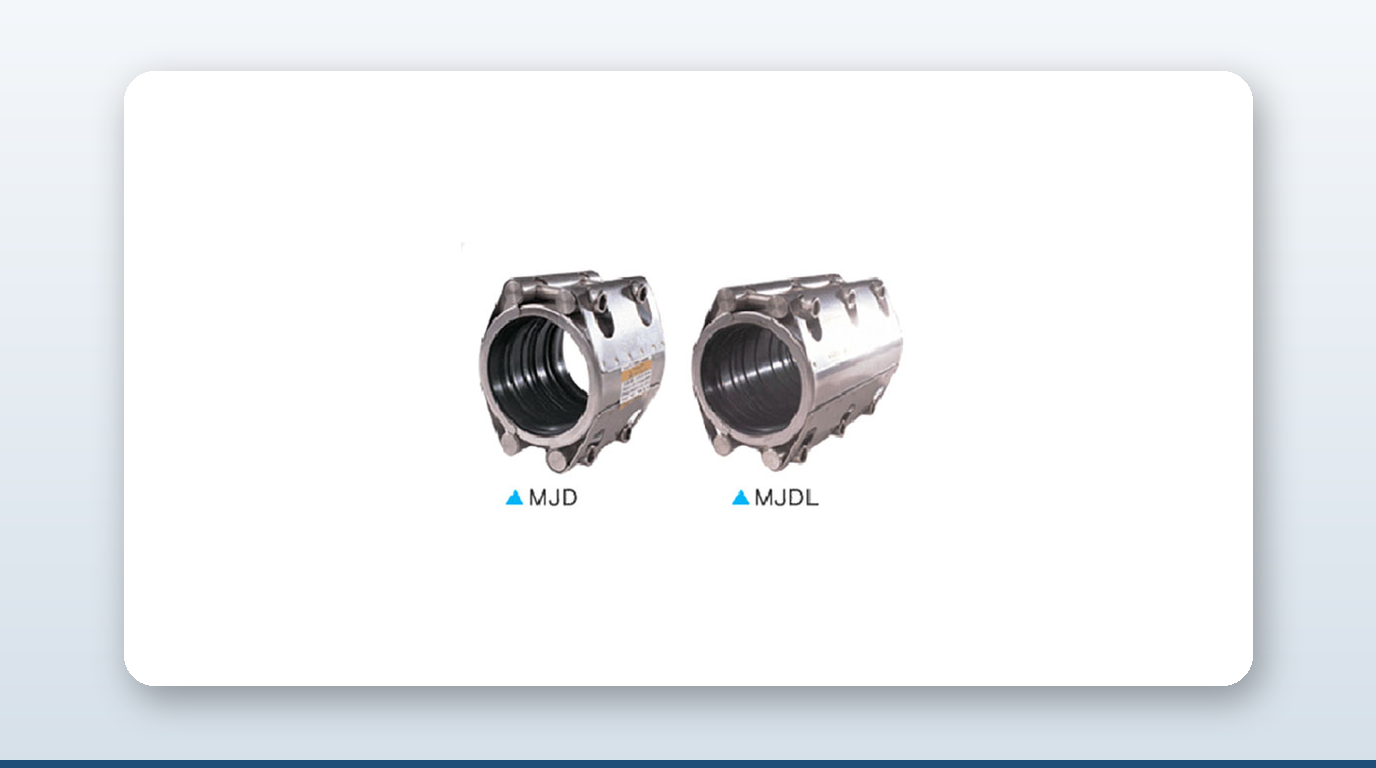
Why the coupling erodes before the pipe in seawater lines, per-alloy velocity ceilings, and the install rules that keep wall shear in check.
Why the coupling erodes before the pipe in seawater lines, per-alloy velocity ceilings, and the install rules that keep wall shear in check.
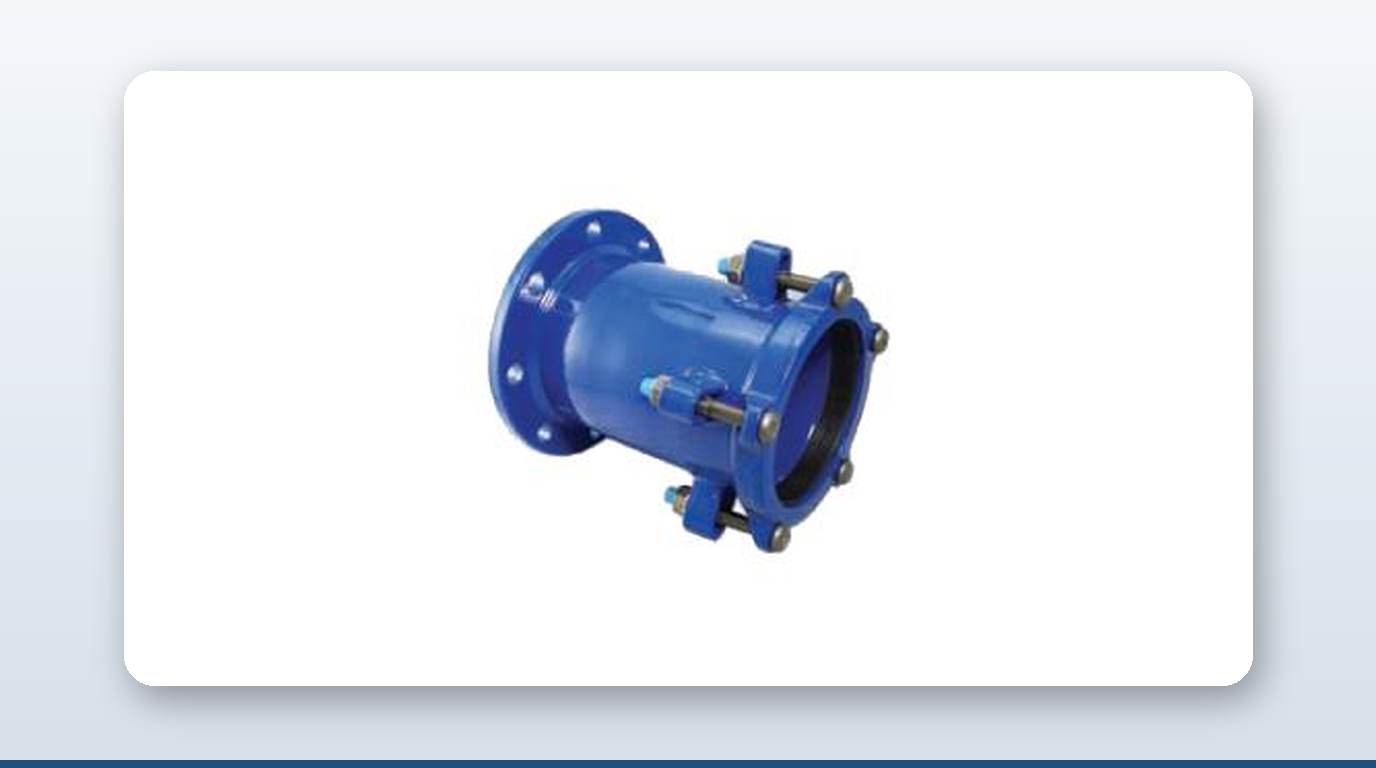
Why stainless couplings crevice-corrode under gaskets in seawater, the PREN 40 threshold, and which gasket materials make it worse or better.
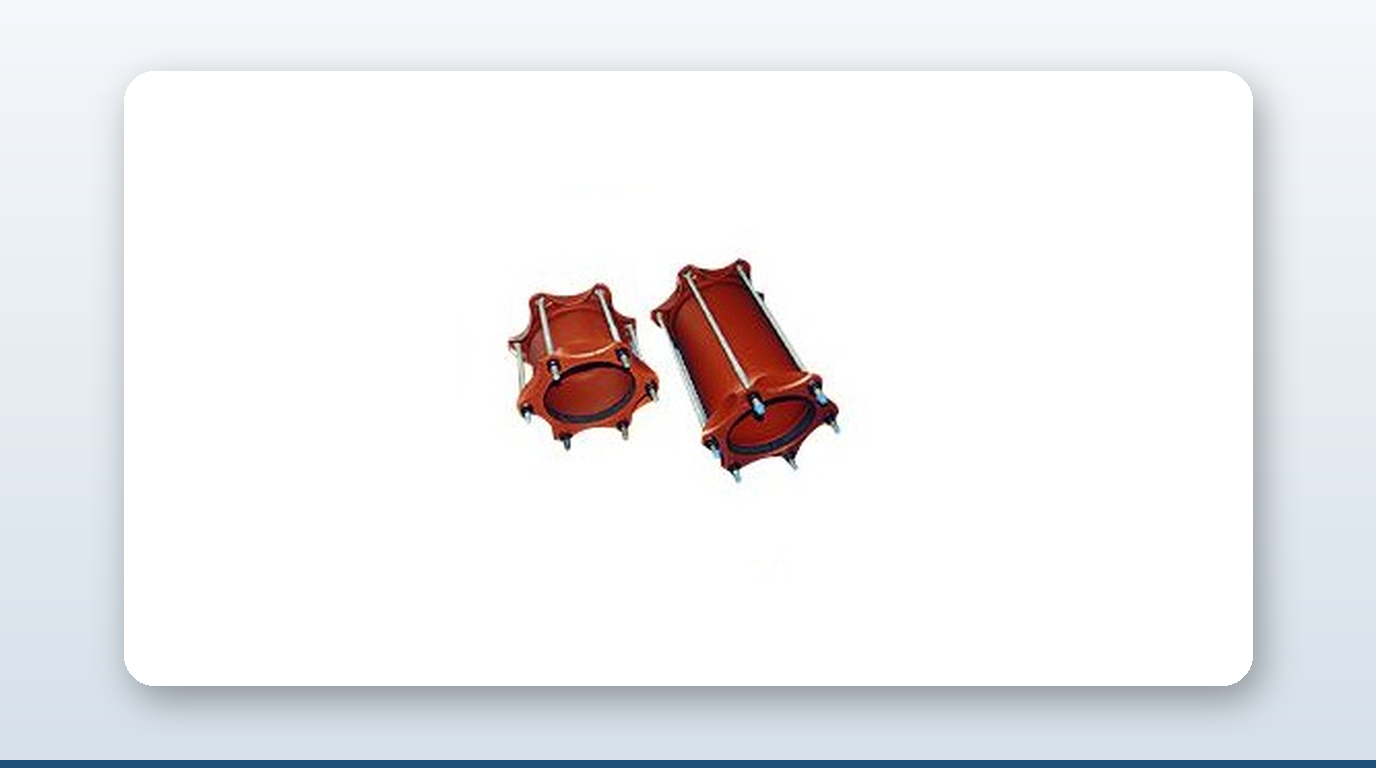
What causes galvanic corrosion in marine pipe couplings, the MIL-STD-889 compatibility rule, and how insulation kits stop early housing failure.
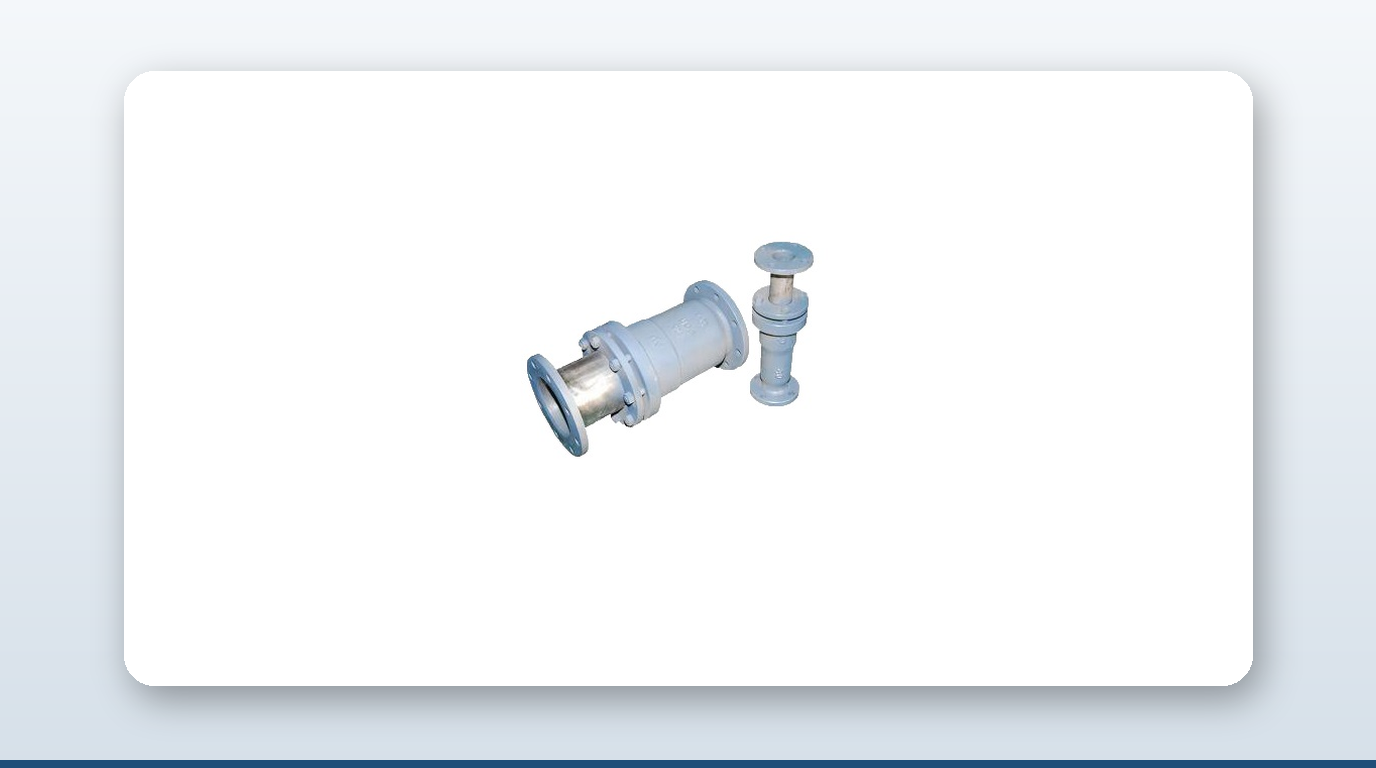
Why steering gear hydraulic lines run welded above 16 bar, where SOLAS and IACS rules actually permit a mechanical coupling, and what fits.
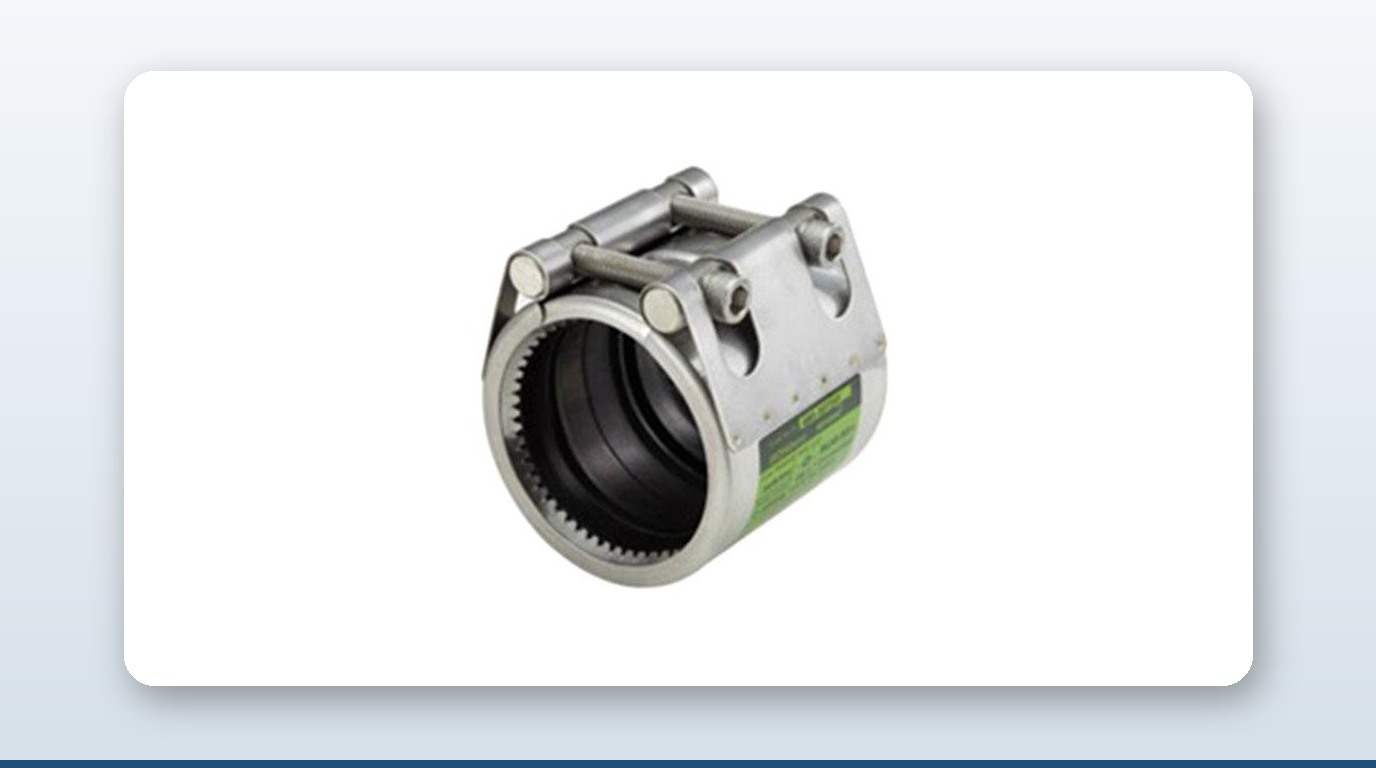
Why chilled-water HVAC is the biggest grooved-coupling sale on a vessel and starting air stays welded — class rules and coupling options compared.
HT and LT fresh water cooling loop specs, water chemistry limits, EPDM vs NBR, and coupling selection by loop section for marine engine cooling.
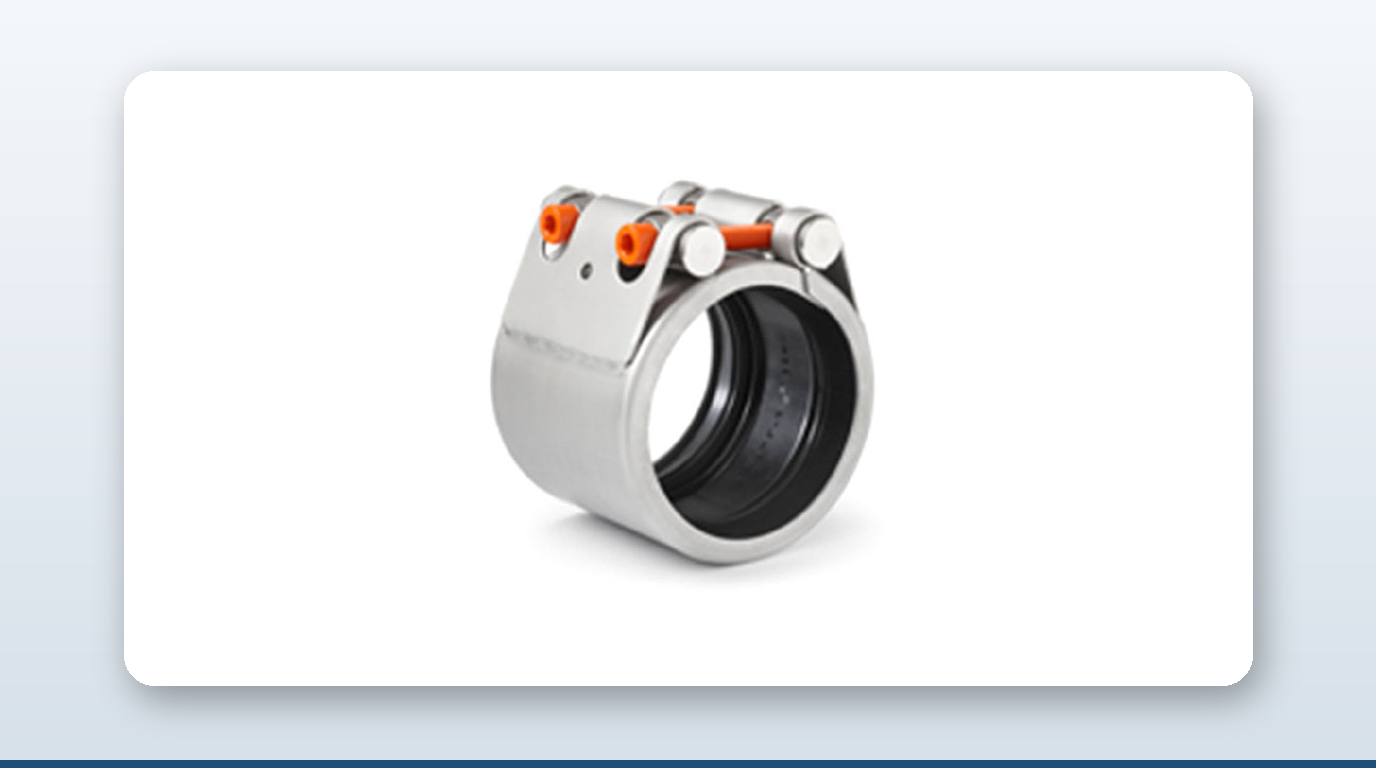
How the IGC and IBC Codes govern joint choice on chemical, LNG and LPG tanker cargo piping, and where mechanical couplings are still permitted.
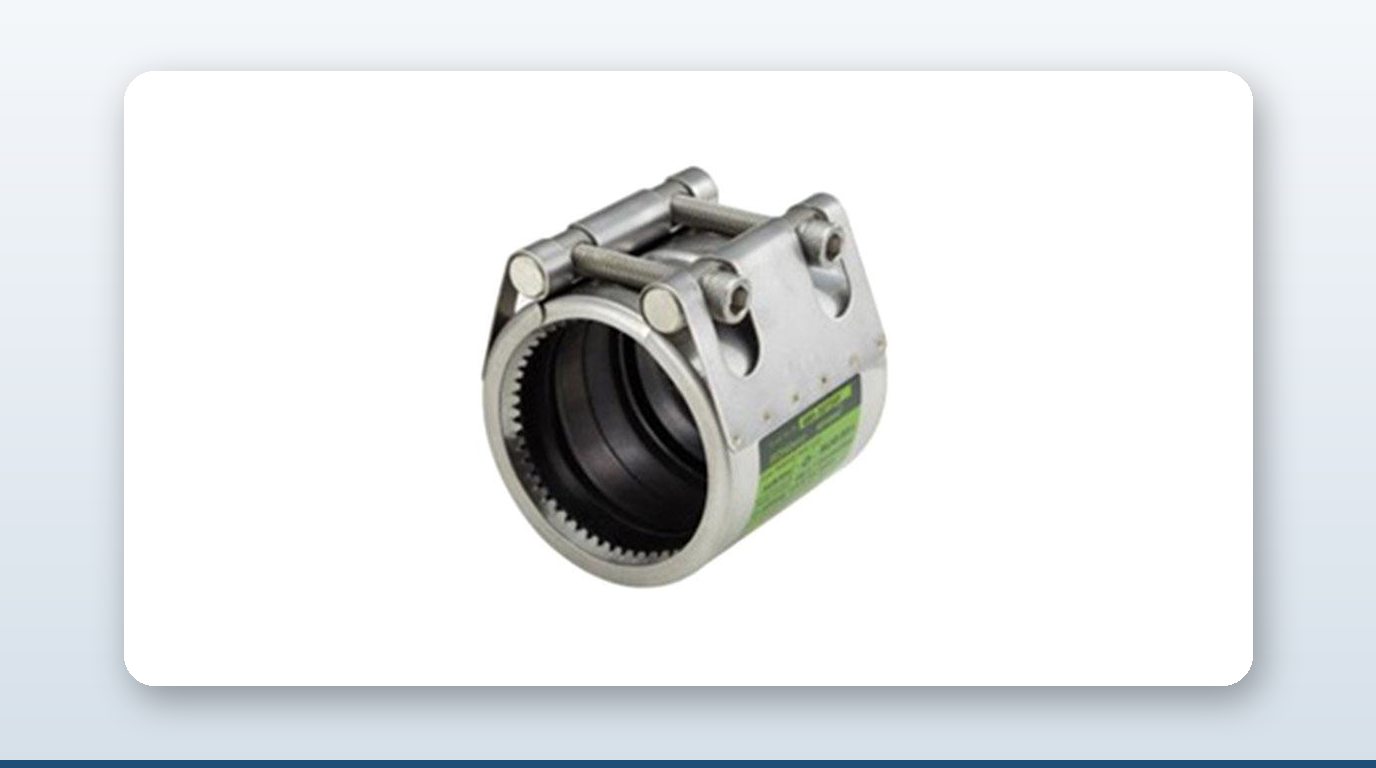
How bilge, sewage and greywater piping differ on coupling selection, MARPOL rules and corrosion — and where JWC, Romacon, Smith-Blair and Helden actually fit.
Coupling selection rules for marine fuel oil piping — fire-test certification, Class I/II/III limits, and the right gasket material for HFO/VLSFO.
Why fire main couplings need ISO 19921 fire-test certification, why slip-on joints are banned in cat A, and how JWC’s FRC covers the gap.